Sparking Financial Curiosity in Young Minds
In today's rapidly evolving world, understanding money is an essential life skill that should begin at an early age. Introducing money concepts to young kids can be a delightful journey when approached with creativity and enthusiasm. Whether you are a parent, educator, or caregiver, you play a crucial role in laying the groundwork for financial literacy for young children. By exploring fun ways to teach kids about money, we not only spark their curiosity but also instill valuable money management skills that will serve them throughout their lives.
Engaging money activities for children are more than just educational exercises; they are gateways to understanding the world around them. From interactive money games that make learning feel like play to playful money learning activities that encourage exploration and imagination, there are endless opportunities to introduce financial concepts in an exciting way. With money education for kids, we can nurture their understanding of basic principles like saving, spending, and budgeting through hands-on experiences and creative storytelling.
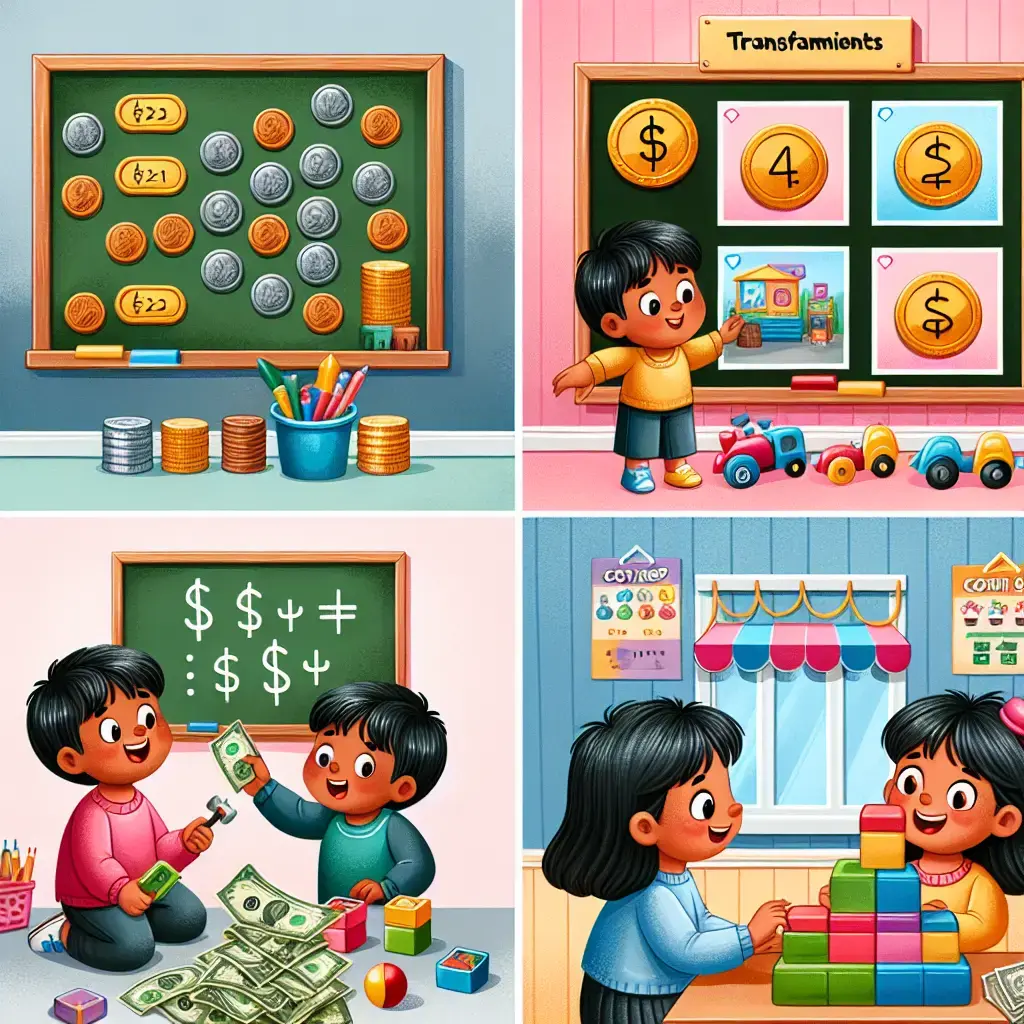
For preschoolers and toddlers, early childhood money education can be seamlessly integrated into everyday routines. Simple money lessons, such as counting coins or setting up a pretend store, make abstract ideas tangible and relatable. Teaching children about saving money can start with something as simple as a piggy bank, illustrating how small contributions add up over time.
Understanding money for young learners is not just about numbers; it's about shaping attitudes and behaviors towards finances. As they grow, these foundational lessons evolve into more sophisticated discussions about financial responsibility. Creative ways to teach money involve a blend of fun, interaction, and real-world applications that captivate their imaginations and set the stage for lifelong learning.
In a world where financial literacy is increasingly recognized as a vital life skill, teaching young children about money management is more crucial than ever. Yet, financial literacy is not consistently taught in schools, leaving a gap that parents and caregivers can fill through innovative and engaging methods.
Why Financial Literacy Matters for Young Learners
The significance of financial literacy extends beyond knowing how to count coins or understanding the value of a dollar. It encompasses a broad range of skills that empower individuals to make informed decisions about saving, spending, and investing. According to a 2024 report by Next Gen Personal Finance, 26 states now require high school students to take a personal finance course. This trend underscores the growing recognition of the importance of financial education. However, the foundation for these skills can and should be laid much earlier through early childhood money education.
Creative Methods for Introducing Money Concepts
Engaging money activities can transform abstract financial concepts into tangible and relatable lessons. Here are some creative ways to introduce money concepts to young kids:
Interactive Money Games: Gamified learning has proven effective in various educational contexts. Simple board games like "Monopoly Junior" or digital apps designed for children can teach basic principles such as saving and budgeting in an entertaining format. As highlighted by Kids Activities Blog, hands-on money management activities foster both understanding and enthusiasm.
Playful Money Learning: Incorporate money lessons into playtime by setting up a pretend store at home. This activity helps preschoolers grasp the concepts of buying and selling while also practicing counting and currency recognition. Using real or play coins, children can simulate transactions, gaining a practical understanding of how money is exchanged.
Saving with Piggy Banks: Teaching children about saving can start with something as simple as a piggy bank. Encourage them to save spare change, illustrating how small contributions accumulate over time. This practice lays the groundwork for more complex savings strategies as they grow older.
Integrating Money Lessons into Everyday Routines
Incorporating financial literacy into daily activities can demystify money for young learners. Here are some ways parents can seamlessly integrate these lessons:
Grocery Shopping as a Learning Opportunity: Involve children in grocery shopping by giving them a small budget to select items. This teaches them to prioritize needs over wants and introduces the concept of budgeting in a real-world context.
Allowance and Chores: Providing an allowance tied to chores can be an effective way to teach responsibility and the value of earning money. Discuss how they might allocate their earnings towards saving, spending, and sharing with others.
Real-World Applications and Lessons
Financial education should extend beyond theoretical knowledge to include real-world applications. Encouraging children to participate in family financial discussions, where appropriate, can offer valuable insights into decision-making processes.
In Switzerland, an elite boarding school employs hypothetical portfolios to teach investment strategies to students from wealthy backgrounds (source: Business Insider). While this approach might not be feasible for everyone, parents can simulate similar experiences at home using fictional scenarios that involve budgeting and investing decisions.
The Role of Parents in Financial Education
Parents play a pivotal role in teaching kids about money management. A Forbes article highlights CFO-approved tips that emphasize the importance of instilling good financial habits early on. Some practical strategies include:
Modeling Positive Financial Behaviors: Children learn by example. Demonstrating responsible financial habits, such as budgeting or discussing financial goals, provides a powerful lesson in fiscal responsibility.
Using Stories to Convey Financial Concepts: Creative storytelling can make complex ideas accessible. Books like "The Berenstain Bears' Trouble with Money" introduce financial themes through engaging narratives that resonate with children.
Overcoming Challenges in Financial Education
Despite the growing emphasis on financial literacy, challenges remain. Not all K-12 schools incorporate these lessons into their curricula, leaving parents to fill the gap. Moreover, concerns about the isolating nature of homeschooling suggest that collaborative learning environments may enhance understanding (source: Kathryn Jezer-Morton on homeschooling).
Looking Ahead: Building Financial Foundations for the Future
As we continue to recognize the importance of teaching children about saving money and other financial skills from an early age, it’s crucial to stay informed about evolving educational trends and tools. The journey towards financial literacy begins with understanding money for young learners in playful, engaging ways that captivate their imaginations and encourage lifelong learning.
By integrating these practices into everyday routines and leveraging available resources, parents and educators can spark curiosity and build strong financial foundations for future generations. As John Hope Bryant noted in his analysis of credit scores (Financial Times), financial health is closely linked to overall well-being—a lesson best learned early in life.
Conclusion: Building a Future of Financially Savvy Children
Teaching young children about money is more than just an educational endeavor—it's an investment in their future well-being. As we navigate a world where financial literacy is becoming increasingly essential, equipping children with money management skills from an early age lays the groundwork for their future success.
Key Takeaways:
Importance of Early Financial Literacy: Financial education should start early, empowering children with the skills needed for saving, spending, and investing wisely.
Creative and Engaging Methods: Transform abstract financial concepts into tangible lessons through interactive games like "Monopoly Junior," pretend play stores, and savings with piggy banks.
Integration into Daily Life: Use everyday situations, like grocery shopping or earning an allowance through chores, to teach budgeting and financial responsibility.
Parents' Pivotal Role: Parents are instrumental in their children's financial education by modeling positive behaviors and using storytelling to convey complex financial ideas.
Overcoming Educational Gaps: With schools not universally incorporating financial literacy into curricula, parents must actively fill this gap.
As we look toward the future, fostering financial literacy from a young age remains crucial. By embedding these skills into children's lives in playful and meaningful ways, we prepare them to become informed and responsible adults.
I invite you to share your experiences and insights on introducing money concepts to young learners. Your stories and thoughts could inspire others on this important journey. Together, let's build a financially informed future for our children.
Warm regards,
Henry Fletcher